

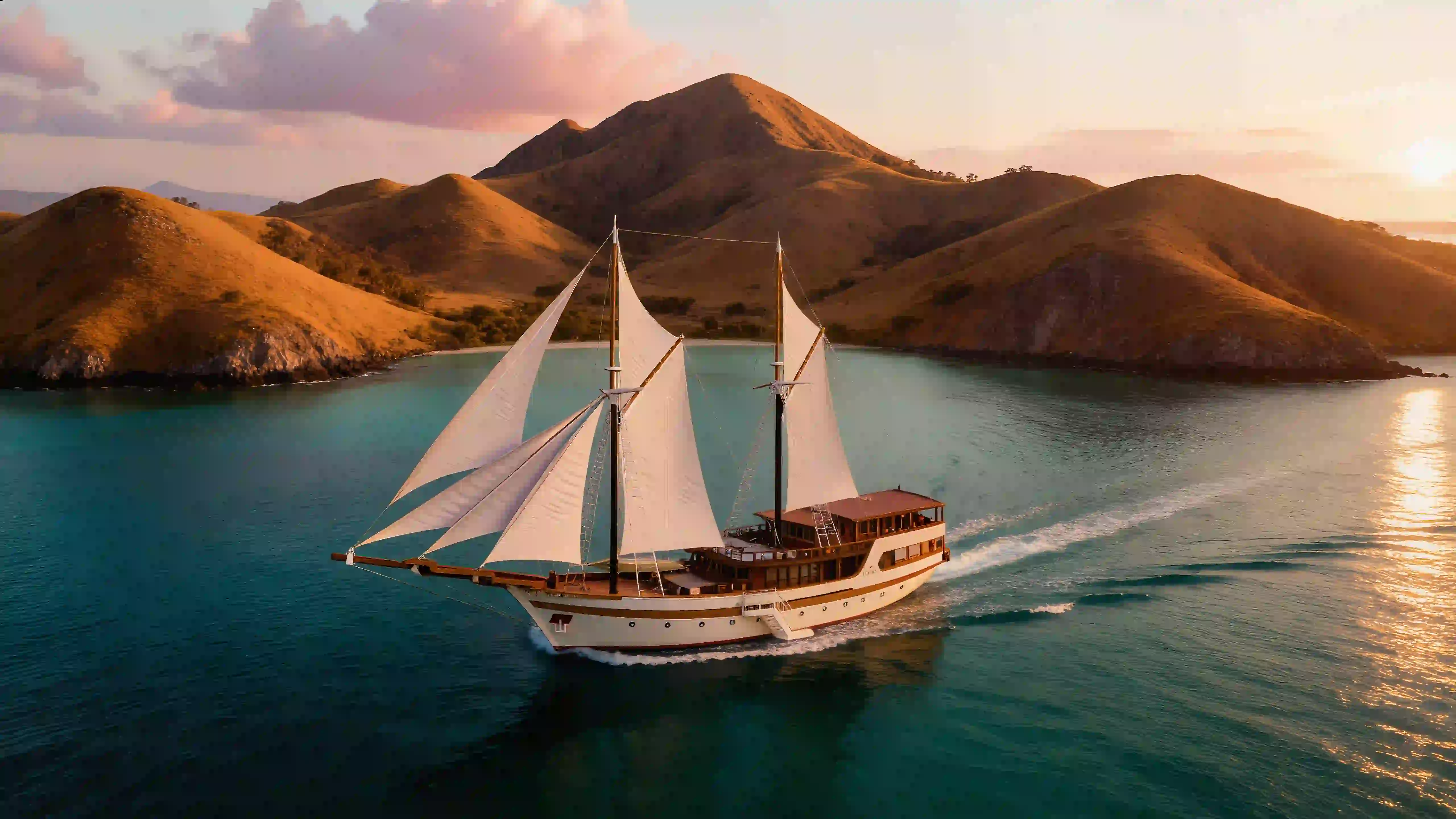
Quick answer
Boat sinking incidents in Komodo National Park typically result from overloading, inadequate maintenance, sudden weather changes, or operator negligence. While serious accidents remain statistically rare, the park's strong currents, seasonal swells, and distance from emergency services mean that choosing a properly equipped and certified vessel is not optional. Travelers should verify safety equipment, crew certification, and the vessel's seaworthiness before any multi-day liveaboard or day-trip departure.
Between 2019 and 2023, several komodo tour boat sink incidents made international headlines, exposing gaps in enforcement of maritime safety standards across Indonesia's eastern islands. Most accidents occurred on wooden phinisi vessels that lacked proper compartmentalization, carried insufficient life rafts, or operated beyond their passenger capacity during peak season. The 2023 incident involving a 25-meter liveaboard that took on water near Padar Island forced twenty-three passengers into life jackets at dawn, a rescue complicated by the nearest Coast Guard station being four hours away in Labuan Bajo. The park's geography amplifies risk. Komodo Strait funnels tidal currents at speeds exceeding four knots, and the seabed drops to 200 meters within a kilometer of shore. Wooden hulls age rapidly in tropical saltwater, and operators working on slim margins often defer hull inspections or pump maintenance. Weather shifts quickly between May and September, when southeast trade winds push two-meter swells through the strait with little warning. A vessel departing Labuan Bajo in calm morning conditions can face whitecaps by noon. Verifying operator credentials matters more here than in most destinations. Indonesia's Ministry of Transportation requires liveaboards to carry SOLAS-compliant life rafts, VHF radios, and certified captains, but enforcement in remote regions is inconsistent. Travelers should ask to see the vessel's seaworthiness certificate, confirm the crew holds valid maritime licenses, and physically count life jackets before departure. Reputable operators welcome these questions. Those who deflect or rush boarding should raise immediate concern. Komodo National Park remains accessible and safe when travelers choose properly maintained vessels. The park authority publishes a list of licensed operators on its official site, and cross-referencing that list with recent guest reviews provides a reliable filter. The waters that make Komodo a world-class dive destination also demand respect and preparation.
“The 2023 incident near Padar Island forced twenty-three passengers into life jackets at dawn, a rescue complicated by the nearest Coast Guard station being four hours away.”
Avoiding Komodo Tour Boat Sink Risks and Safety Failures
Maritime incidents in Komodo waters often stem from preventable oversights in vessel assessment and safety preparation. Understanding what to check before departure can reduce risk significantly.
Boarding vessels without visible life jackets or safety equipment
Confirm each passenger has an accessible life jacket before departure. Ask to see fire extinguishers, flares, and communication devices—reputable operators display these openly.
Ignoring weather forecasts and sea condition warnings before departure
Check marine weather reports for the Flores Sea 24 hours before your tour. If swells exceed 2 meters or storms are forecast, reschedule rather than risk rough crossings.
Choosing the cheapest operator without verifying vessel certification or insurance
Request proof of Indonesian maritime certification and third-party liability insurance. Licensed operators registered with Komodo National Park maintain higher safety standards and regular hull inspections.
Failing to identify emergency exits and muster points during boarding
Locate life raft storage, emergency exits, and the muster point as soon as you board. Ask the crew to demonstrate emergency procedures if they don't offer a briefing.
Assuming all wooden phinisi boats meet modern safety standards
Traditional phinisi vessels vary widely in seaworthiness. Verify the boat has passed recent hull integrity checks, has working bilge pumps, and carries satellite communication equipment for distress calls.
Safety Preparation Checklist for Komodo Tour Boat Trips
Confirm these safety essentials with your operator before departure to minimize risk on Komodo waters.
-
Verify life jackets for every passenger — Indonesian maritime law requires one per person; check condition and fit before boarding.
-
Confirm emergency communication equipment onboard — Working VHF radio and satellite phone ensure contact with park rangers at +62 385 244 3224.
-
Check vessel safety certification and insurance documents — Licensed operators display permits from Komodo National Park authority; ask to see them.
-
Locate emergency exits and life raft deployment points — Crew briefings often rush this; walk the deck yourself before departure.
-
Pack waterproof pouch with passport copy and emergency contacts — If evacuation occurs, you'll need identification and a way to reach your embassy.
-
Confirm crew training in emergency protocols — Ask about captain's certification and crew's last safety drill date.
-
Bring personal EPIRB or PLB if extended liveaboard — Park waters are remote; personal locator beacons add redundancy beyond vessel systems.
Arrival and Logistics for Komodo Tour Boat Sink Awareness
Komodo National Park is located in the West Manggarai Regency, East Nusa Tenggara, Indonesia. The primary gateway for all boat tours is Labuan Bajo, accessible via air or sea before embarking on maritime transport.
Flight to Komodo International Airport (LBJ)
Local transfer from Komodo International Airport to Labuan Bajo Port
Standard vessel departure from Labuan Bajo Port
Check availability
Frequently asked questions about komodo tour boat sink
Everything you need to know about komodo tour boat sink